Autonomous education was one of the first words I was introduced to when we began our home education. My friend, who has been home educating her children for 6 years (now aged 8 and 12) explained that her children do not attend lesson, all their learning is self directed. Her children seemed bright, had great communication skills and seem very knowledgeable in a broad range of subjects. She said her children have learnt to read by being read to. She noticed that they both started to follow where she was on the page. They were not taught to read using phoenix but I suppose more by word recognition. I was skeptical about how a child could possibly learn anything without lesson styled learning.
At the time, I was sitting down with Owen and Anya for a few hours each day to cover English and Math. The lessons were informal and the kids didn’t seem to mind but didn’t seem to engage in the lessons with any passion. Both of them were barely reading and writing when they left school. They both refuse to read books even though I have tried hard to find books with an interest level at their age but a lower reading age. They both hate books which I suspect is a result of the atrociously boring books they were made to read at school. We used a specialist software application called Wordshark which is designed to help dyslexic children learn to spell. Both Owen and Anya tolerated 30 mins a day using this software but it didn’t seem to create any real interest or pride in reading or spelling. I noticed Owen had started watching Japanese Manga films with subtitles and seemed to be following the plot. Owen started to ask me how to spell words having shown no previous interest in spelling correctly. He was very interested in an online game called Roblox and was chatting with his online friends. I sat down with him to watch him play. He was typing at a tremendous speed with amazingly accurate spelling. So I decided to abandon the Wordshark and allow him to watch Manga subtitles for 30 minutes instead. His reading now seems pretty good (not brilliant but okay) and his spelling is very good. He still isn’t interested in reading books but is able to read whatever he needs to on his computer. He uses the internet to research and look up all sorts of information.
Thursday, 22 September 2011

Wednesday, 21 September 2011
Tuesday, 20 September 2011
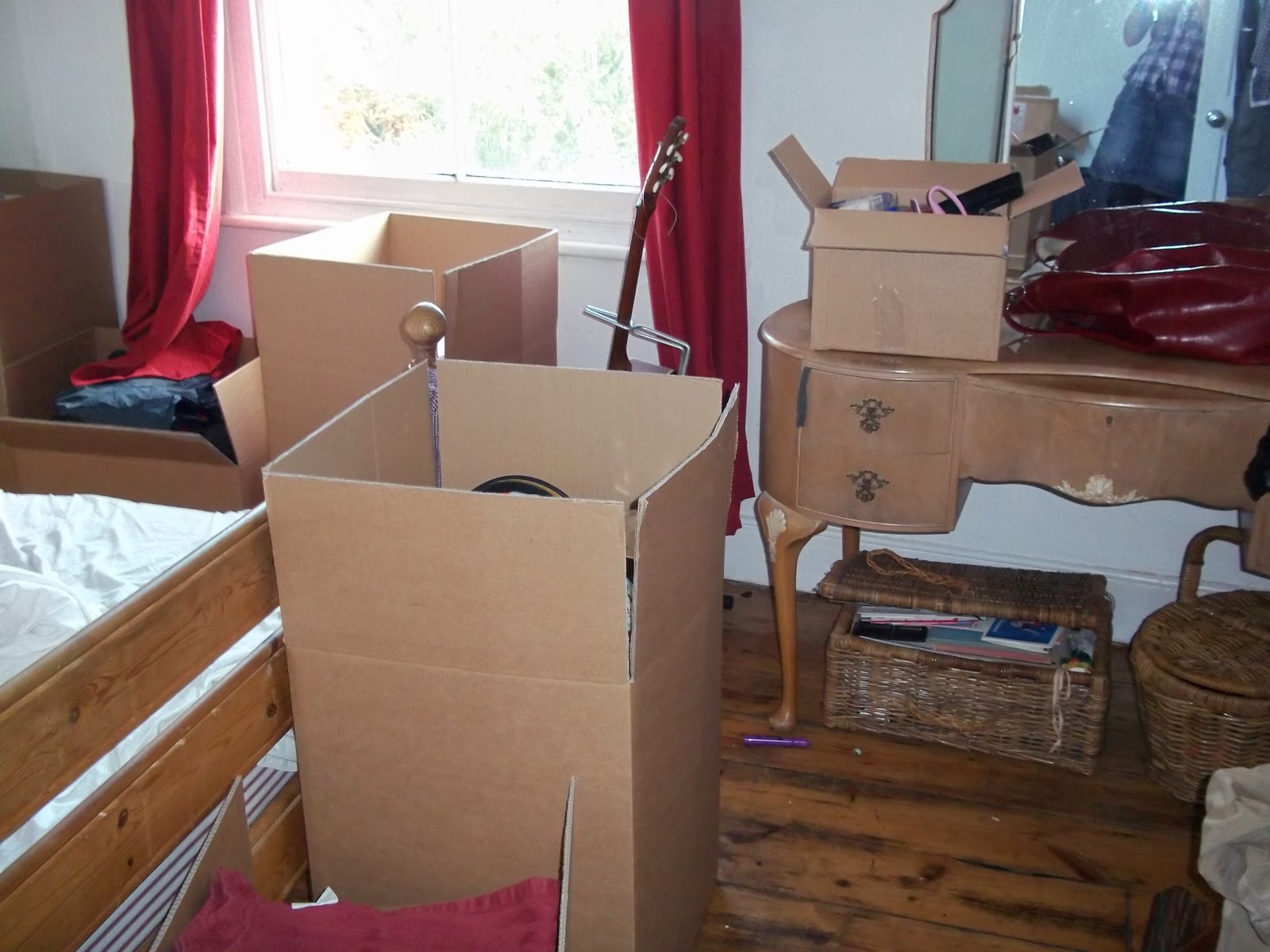
Moving House & Reducing Stress For Children

I have found that preparing the kids for big events is the most effective way of reducing his stress. I have spent the last few months preparing the kids for the move and including:
- Explaining why we are moving
- Showing him photos of the new house
- Explaining what is involved in the move
- Showing them the calender and reminding him of the move date
- Packing a bag of essential toys, clothes and food/snacks for the first few days.
Social stories may also help kids understand what is going on.
On the day of the move we ensure the kids stuff was off loaded first and their beds and essential toys unpacked first.
Tuesday, 30 August 2011

Thursday, 25 August 2011
Sunday, 21 August 2011
Monday, 15 August 2011
Saturday, 13 August 2011
Reading Eggs
I thought it would be worth mentioning Reading Eggs as some other home educators have recommended this reading program. Owen and Anya’s reading has improved so much by simply been provided the time to pursue their interests that it is now below their level. Anya had a look at Reading Eggs but found it too easy although she seemed to enjoyed playing the games for a while. Personally, I found the program irritating and wouldn't recommend it for older children that are struggling with reading. It is clearly aimed at younger kids with interest levels and age levels matched at school expectation. This is rarely the case with dyslexia, ADD, ADHD and autistic kids. My focus has always been to try and match older interest levels with younger reading levels.

Chemistry Set !
I've just made a huge investment in a Chemistry set. Owen and Anya love to do experiments so I thought this set would really allow them to develop this interest. Not cheap though at £168 from Amazon!
 The Thames & Kosmos CHEM C3000 includes a wide range of supplies, including professional grade test tubes, an alcohol burner and chemicals that are needed for the experiments. The guide is the most important part of the chemistry set. It covers each experiment in detail, ensuring young learner are able to perform the experiments properly to get results. There are also color photos of the experiments, which is a great way to see if your results are the same as the photo. The set also includes safety gear which is an absolute necessity when working with chemicals.

Documentary Resource

Top Documentary Films you can find 1700+ (more to come) stunning, eyeopening and interesting documentaries.
Monday, 1 August 2011
Friday, 22 July 2011
Thursday, 21 July 2011
Legoland July 2011
Lots of skills developed including planning, map reading, problem solving, construction and fine and gross motor skill developement!
Monday, 18 July 2011
Lambeth Country Show 2011
We sell our children’s clothes at lots of markets and fairs. Owen and Anya both enjoy helping to make the signs and then serve the customers on our stall. It is a great chance for them to develop their confidence serving customer and practice their mental arithmetic’s. In addition, the Country Show is a fabulous mix of culture, food, entertainment and fun.
Sunday, 10 July 2011
Wednesday, 6 July 2011
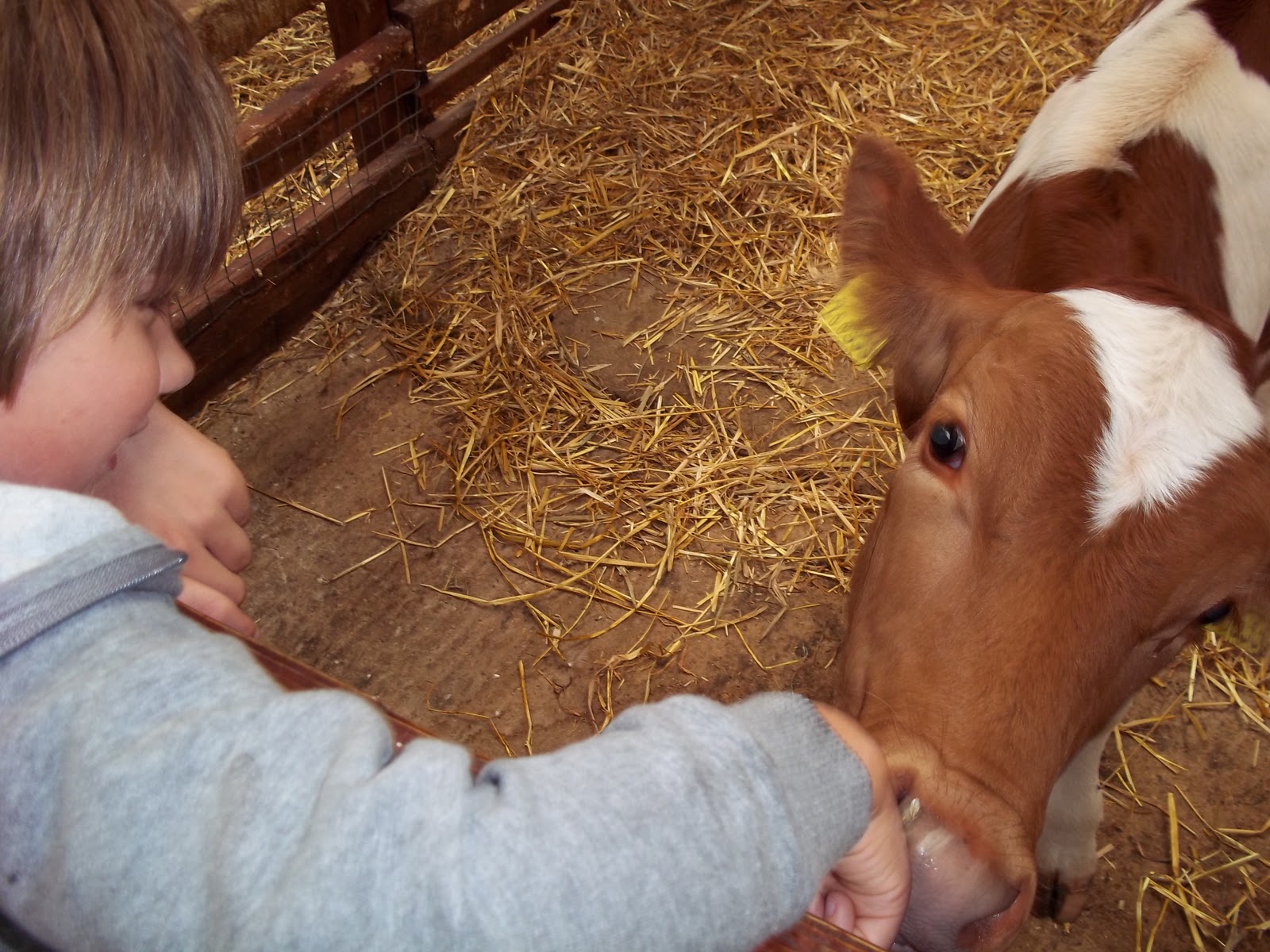
Fisher Farm
Fishers Farm Park is the top, award-winning family visitor attraction located in Wisborough Green on the edge of the South Downs National Park, in the heart of the West Sussex countryside.




Tuesday, 5 July 2011
The Power of Autonomous Learning
We have been moving more towards an autonomous unschooled approach to our education. The change in direction has been influenced by studying the many and varied books and articles written by a variety of authors including John Holt, Roland Meighan, Jan Fortune-Wood, John Taylor Gatto, Linda Dobson, Ken Robinson. However, the main reason for our move towards autonomous education is the astounding improvement in Owen's reading as a result of his interest in Roblox and subsequent online chatting. Both his reading and spelling have improved so significantly that he has even started to watch subtitles Manga cartoons. His improvement in reading and spelling as a result of online chatting out ways any of my attempts to improve his spelling with Wordshark or the books aimed to match interest and reading levels. His improvement in reading and spelling is down to his obsessive interest in Roblox and endless game designing and online conversation. I simply allow him the time in indulge in this interest.

Wednesday, 22 June 2011
Brown Nail Experiment & Shinny Coins


Equipment
· kitchen cleaner
· 10 dirty copper coins
· 50ml vinegar
· a glass
· a pinch of salt
· 3cm nail
· teaspoon
1. Put the coins into the empty glass then cover them with vinegar. Stir in the salt and leave for five minutes.
2. Meanwhile, clean the nail with kitchen cleaner and dry it carefully. It should now be very clean and bright.
3. Remove the coins from the vinegar, leaving the vinegar in the glass. What happened to the coins?
4. Drop the nail into the vinegar and leave it there for half an hour.
5. What has happened to the nail?
 The science
· The vinegar contains acid which dissolved the brown copper-based chemicals from the coins, leaving them shiny.
· These copper-based chemicals then mixed with the vinegar to make a new chemical.
· This chemical settled on the nail and turned it brown.
The What on Earth? Wallbook
 This book was recommended by our South London Home Education Group. It depicts millions of years of evolution, the rise and fall of civilisations, one hundred of the top battles and, on the reverse, the story of planet, life and people from the Big Bang to the present day.
The What on Earth? Wallbook is a comprehensive, visual voyage through the past that contains more than 1,000 hand-drawn illustrations, every major event in natural and human history, the rise and fall of civilizations, the top 100 battles and, on the reverse, the story of planet, life and people from the Big Bang to the present day.
The wallbook is A3 size with hardback covers for extra durability. It can either be read like a book or unfolded into a 2.3 metre long timeline for hanging on a wall.
Saturday, 18 June 2011


Friday, 17 June 2011
Thursday, 16 June 2011
Fruit Scones


 Cooking is great fun and measuring and weighing provides the perfect maths lesson.
Ingredients:
- 75g butter or marg
- 225g self raising flour
- Pinch salt
- 25g Raw Cane Sugar
- 75g sultanas
- 150 ml milk
- Little milk
Preparation:
- Heat the oven to 400F/205C/Gas 6
- Grease and flour a baking sheet.
- Put flour into a bowl then add the butter, baking powder and salt. Quickly rub the butter into the flour until the mixture resembles fine breadcrumbs. Add the sugar and sultanas and stir.
- Stir in enough milk to make a soft, pliable dough.
- Turn the mixture on to a floured board then lightly roll out to 2cm / 3/4" thick.
- Cut rounds with a 7.5cm /2" cutter or cut into triangles with a sharp knife.
- Place on the baking tray and brush with the beaten egg and milk mixture. Bake near the top of the hot oven for 15 minutes or until golden brown and well risen.
Monday, 13 June 2011
Music At The Horniman

One of Owen's favourite places is the music room at the Horniman. The museum provides interactive music projections allowing the kids to select and listen to hundreds of instruments. The kids can listen to the instruments using headsets so the room is very quiet, tranquil and very suitable for kids who are sensitive to noise or have auditory processing difficulties. Surrounding the interactive screens are beautifully displayed instruments which are organised and neatly labelled. In addition, the lighting is very dim so is kind to kids with light sensitivities ...
Sunday, 12 June 2011
Fizzing Candle
Equipment
· bicarbonate of soda
· heatproof bowl
· short candle
· matches
· vinegar
· playdough or modelling clay
· dessert spoon
· an adult, to supervise lighting the candle with the match
1. Use the modelling clay to fix the candle firmly in the centre of the bowl.
2. Put five level dessertspoons of bicarbonate of soda around the candle.
3. Light the candle.
4. Spoon vinegar slowly down the inner side of the bowl, avoiding the flame. What happens when the liquid and powder mix?
5. Stop adding the vinegar when the froth is about halfway up the candle.
6. What happens to the candle? (Here’s a clue – what happens when you try to relight it?)
Fizzy candle – the science
· New substances are made when the bicarbonate of soda and vinegar are mixed together.
· One of these substances is a gas called carbon dioxide. This is the same gas that makes the bubbles in fizzy drinks. Here, it causes the mixture to froth.
· Carbon dioxide is heavier than air. It fills the bowl, even though you can’t see it.
· But the candle needs air to stay alight, so when the bowl is filled with carbon dioxide, the candle goes out.
Because of this, carbon dioxide is used in many kinds of fire extinguisher
Subscribe to:
Posts (Atom)